Introduction
This case study examines the installation of a vertical radiator on a kitchen wall to enhance heating efficiency and optimise space utilisation. The project was undertaken in a residential kitchen to address heating issues while ensuring aesthetic appeal and practicality.
Background
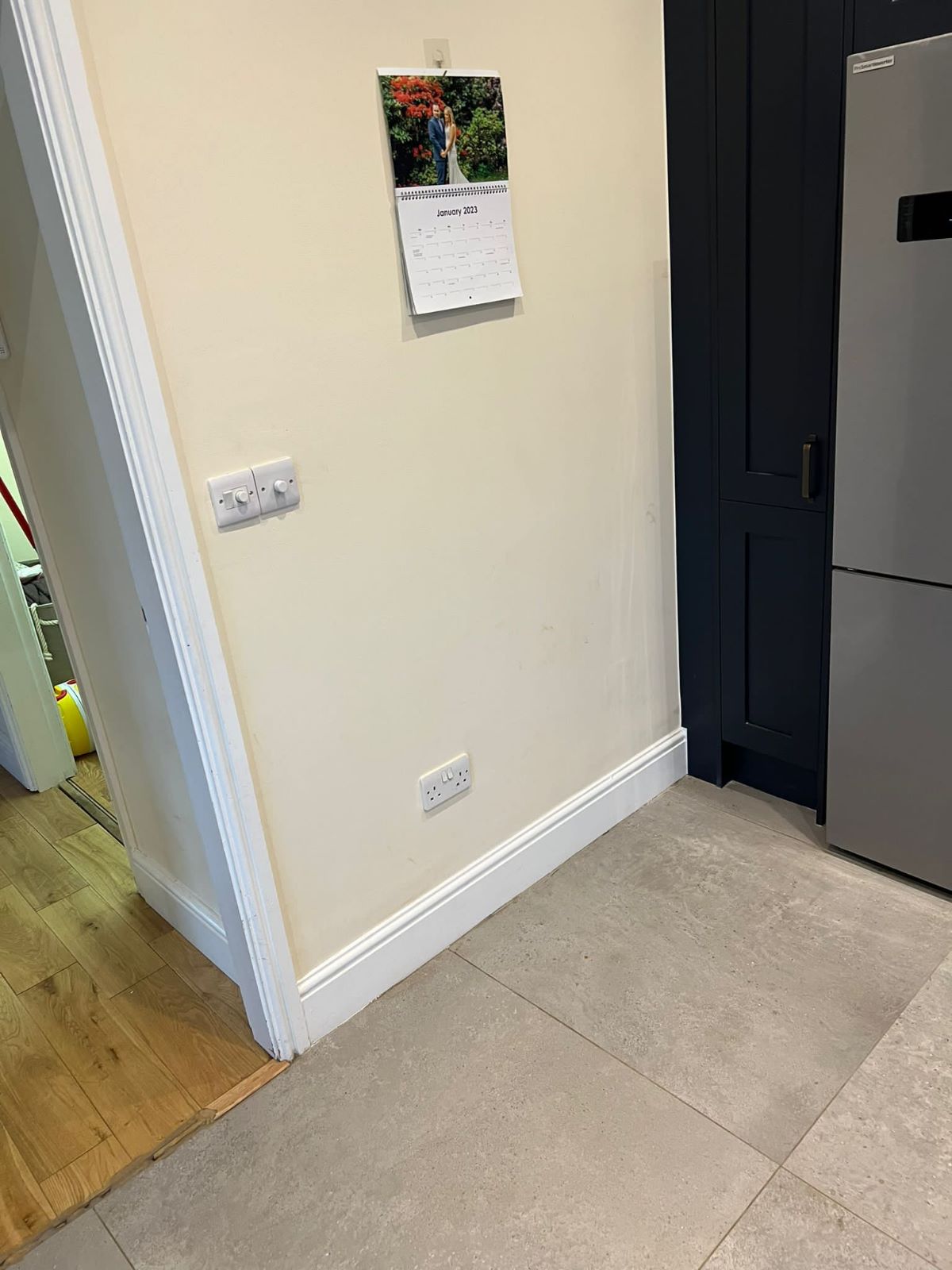
Our client approached us, seeking a solution to improve the heating efficiency in their kitchen. The existing heating system was inadequate, and the limited wall space posed a challenge for installing a traditional horizontal radiator. After evaluating the options, we recommended installing a vertical radiator on an available kitchen wall.
Objectives
The primary objectives of this project were:
- Enhancing heating efficiency in the kitchen
- Optimising wall space utilisation
- Ensuring compatibility with the existing heating system
Solution and Implementation
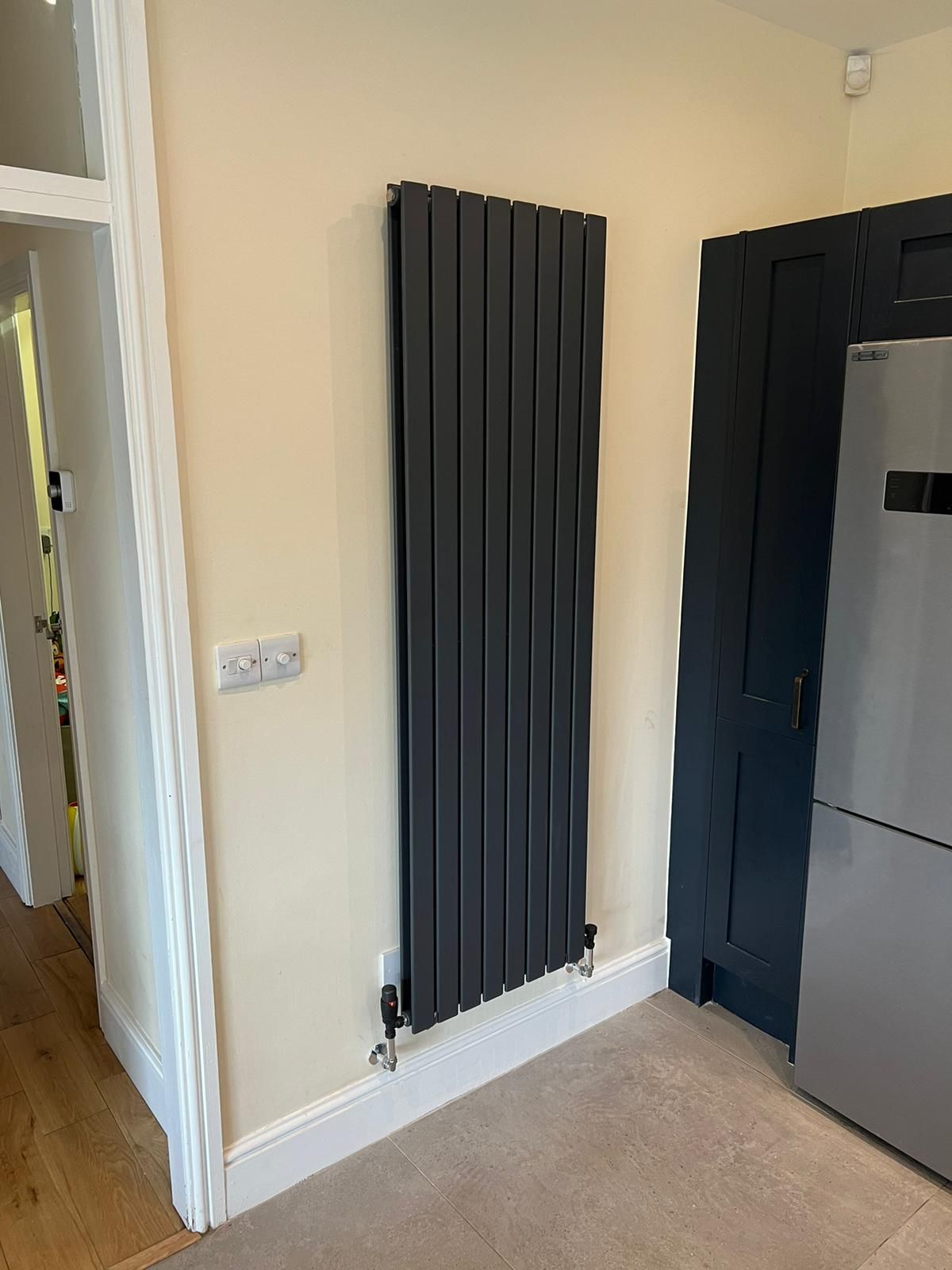
To address the heating issues in the kitchen, a vertical radiator was selected due to its space-saving design and increased heat output capabilities. We recommended a modern vertical radiator model with a sleek finish that harmonized with the kitchen’s interior decor.
The installation process involved the following steps:
Assessing Wall and Structural Considerations: The chosen wall was assessed to ensure its structural integrity and suitability for radiator installation. Any necessary adjustments, such as reinforcing the wall or modifying existing pipework, were made.
Plumbing Integration: We determined the connection points in the existing central heating system to integrate the new radiator effectively. Necessary modifications were made to the pipework to connect the vertical radiator while ensuring compatibility and optimal water flow.
Wall Modification and Fixing: The selected wall underwent careful modifications to accommodate the vertical radiator. The specialist ensured that the fixing points were sturdy and secure to support the weight of the radiator and prevent any potential hazards.
Testing and Commissioning: After the installation, we conducted thorough testing to verify the radiator’s functionality and performance. The system was checked for leaks, and the heat output was measured to ensure it met the desired requirements.
Results and Benefits
The installation of the vertical radiator in the kitchen wall had several positive outcomes:
Improved Heating Efficiency: The vertical radiator provided efficient and targeted heat distribution, ensuring optimal comfort in the kitchen area. It effectively addressed the previous heating issues.
Space Optimisation: The vertical design of the radiator optimised wall space, allowing the Johnsons to utilise their kitchen area more effectively. The radiator’s slim profile minimised visual clutter, enhancing the overall aesthetics.
Enhanced Aesthetic Appeal: The chosen vertical radiator’s modern design and sleek finish added a stylish touch to the kitchen’s decor. It seamlessly blended with the existing interior, creating an appealing visual impact.
Integration with Existing System: We successfully integrated the new vertical radiator with the central heating system, ensuring compatibility and optimal performance.
Conclusion
The case study highlights the numerous benefits of installing a vertical radiator. By optimising space utilization, improving heating efficiency, and enhancing the overall aesthetics, the vertical radiator proved to be a practical and stylish solution for the kitchen. This case study demonstrates how a simple upgrade can significantly improve functionality, comfort, and the value of a home.
Gallery